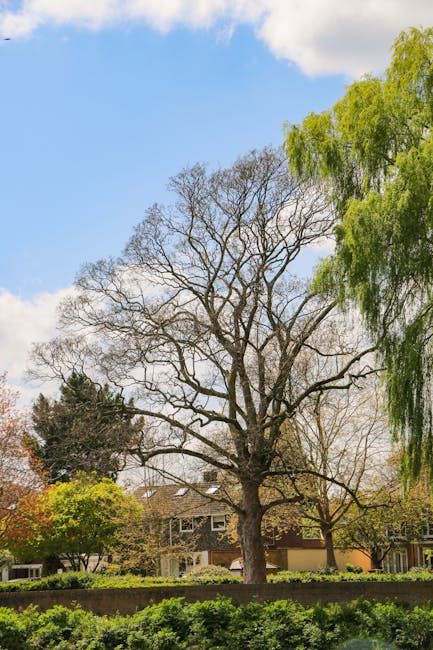
Selsdon Wood garden makeover before and after by gardeners
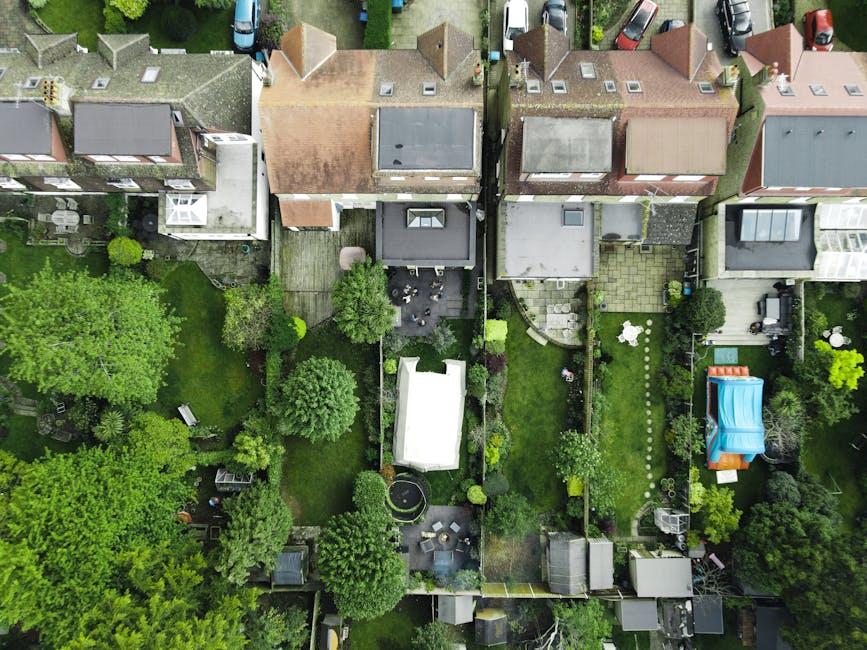
If you have ever looked at a tired, overgrown garden and thought, "Where on earth do I start?", you are not alone. A proper Selsdon Wood garden makeover before and after by gardeners is less about a dramatic overnight miracle and more about smart, staged improvement that makes the space usable, attractive, and easier to maintain. In Selsdon Wood, where gardens can deal with shade, sloping ground, dense planting, wildlife, and the usual British weather doing its thing, the right approach matters. This guide walks through the whole process: what changes to expect, how gardeners tackle a makeover, common pitfalls, and the practical details that separate a decent result from one that genuinely transforms how you live outside.
Why Selsdon Wood garden makeover before and after by gardeners Matters
A before-and-after makeover is not just about prettier borders. It is about turning a garden from a space you avoid into one you use. That can mean clearer pathways, better drainage, tidier edges, safer surfaces, more privacy, and planting that actually suits the conditions rather than fighting them every month. In practice, the biggest change is often emotional: the garden stops feeling like a chore and starts feeling like part of the home.
For properties around Selsdon Wood, the local setting brings a few typical challenges. Many gardens have mature trees, patchy light, compacted soil, or areas that are simply being overwhelmed by ivy and weeds. Add family life, pets, wind exposure, or the need for low-maintenance planting, and the brief quickly becomes more than just "make it look nice".
That is why gardeners usually begin with a proper assessment. They look at what is working, what is failing, and what needs to be removed before anything new can go in. It sounds obvious, but a lot of disappointing makeovers happen because the old problems were left underneath the new surface. That does not end well. Not really.
Expert summary: A strong garden makeover is built on structure first, planting second, and finishing details last. If those layers are done in the wrong order, the garden may look good for a month and then quietly fall apart.
How Selsdon Wood garden makeover before and after by gardeners Works
A good makeover is usually planned in stages. The exact sequence depends on the garden's condition, but most professional projects follow a similar pattern. First comes clearing and assessment, then hard landscaping or structural changes, then planting and final presentation. The before-and-after difference tends to be most dramatic where the original space is cluttered, uneven, or poorly maintained.
Here is the practical logic behind it:
- Initial survey: Measure the site, note sun and shade patterns, identify drainage issues, and check access.
- Clear-out: Remove dead growth, unwanted debris, invasive weeds, and any damaged features that are beyond repair.
- Structural decisions: Decide whether the garden needs lawn recovery, border reshaping, patio cleaning, fencing repairs, hedge work, or new levels.
- Soil and ground preparation: Improve compacted soil, add organic matter where needed, and create a healthier base for new planting.
- Build and plant: Install beds, lay turf or reseed if suitable, and add planting with a mix of structure and seasonal interest.
- Finish and refine: Edge, mulch, tidy lines, and make sure the space is easy to maintain rather than just photogenic for one afternoon.
In a real before-and-after project, these steps often overlap. A gardener might remove ivy one day, reshape beds the next, and then return once the space is ready for planting. That slow, methodical approach is usually what produces the best result. Quick fixes rarely stay quick.
If you want to understand how overgrown spaces are restored in more detail, these tips for reviving a neglected garden are a useful companion read.
Key Benefits and Practical Advantages
The most obvious benefit is visual. A garden that once looked crowded, muddy, or awkward becomes cleaner, brighter, and more intentional. But the real value goes deeper than appearance.
- Better usability: You can actually sit out, walk through, or let children play without navigating a jungle of half-hidden obstacles.
- Lower upkeep: A clever layout reduces the amount of endless tidying, weeding, and patch-fixing.
- Improved safety: Tidy routes, level transitions, and good visibility matter, especially where kids or older residents use the garden.
- More privacy: Hedges, climbers, screens, and carefully placed planting can soften sightlines without making the garden feel boxed in.
- Healthier planting conditions: When soil, drainage, and spacing are sorted properly, plants are far more likely to thrive.
- Better year-round appeal: A thoughtful makeover avoids the "looks good in May, nothing else the rest of the year" problem.
There is also a practical financial side. A well-executed garden can improve first impressions, which matters if you are thinking about future resale or letting. No sensible person wants to overstate that, but a tidy and balanced outdoor space definitely helps a property feel cared for.
One more thing people often overlook: good design makes maintenance easier for the homeowner. If you can reach beds, mow lawn edges cleanly, and keep paths clear, the garden stays presentable with less effort. That is the sweet spot, really.
Who This Is For and When It Makes Sense
This kind of makeover suits all sorts of households, but it is especially useful if your garden currently falls into one of these categories:
- It has become overgrown and you do not have the time or tools to tackle it properly.
- The layout feels awkward, with dead corners or wasted space.
- The garden is shaded and patchy, so grass struggles and weeds take over.
- You need a safer, more family-friendly outdoor area.
- You want privacy from neighbouring windows or nearby footpaths.
- You are tired of temporary fixes that keep failing after the first storm or wet spell.
It also makes sense if you have just moved in and the outside space does not suit your plans. Many new homeowners assume they have to live with the existing setup for a year before changing anything. Truth be told, that is not always necessary. If the structure is poor, a professional gardener can often help you make sensible improvements straight away, while still leaving room for seasonal changes later on.
And if your garden feels like it has been fighting you for years, a measured reset can be easier than trying to "keep on top of it" indefinitely. That is not laziness; it is just realism.
Step-by-Step Guidance
If you are planning a garden makeover, the easiest way to stay in control is to think in phases. Here is a practical roadmap.
1. Walk the garden with a clear brief
Before any digging starts, decide what the space must do. Do you want a child-friendly lawn? A more private seating area? Better planting? Less mess? More wildlife value? The answer changes the whole design. A garden for a dog owner will be planned differently from one built for quiet seating or container displays.
2. Remove the worst of the clutter
This is where many gardens reveal their hidden shape. Once tangled growth, debris, old pots, and failing features are cleared, the space can suddenly look larger. If ivy has run wild, tackling it properly is usually worth the effort. For a deeper look at that job, see this guide to removing ivy for good.
3. Fix the foundations
Hard work comes next: repairing damaged edging, improving drainage, sorting compacted soil, and deciding what stays or goes. A makeover can be cosmetic, but the best ones are structural first. If the patio is slippery, the lawn is thin, or the borders collapse every time it rains, those issues need dealing with before pretty planting can really work.
4. Shape the space into zones
Good gardens feel intuitive. You should be able to see where to sit, where to walk, where the children can play, and where the planting lives. In larger spaces, a gardener may create a few simple zones rather than one big open area. That often makes the whole garden feel calmer and more usable.
5. Plant for the conditions, not the fantasy
This is where experience pays off. Shade-loving climbers suit darker areas, while low-maintenance ground cover can reduce weeding and expose less bare soil. If you want ideas, the articles on ground covers for UK gardens and essential ground-cover plants are worth a look.
6. Add the finishing touches
Edge the borders cleanly, mulch where needed, sweep paths, and check sightlines. Then stand back. Really stand back. The last 10% of a makeover often makes the biggest visual difference because it brings clarity and calm to the whole space.
Expert Tips for Better Results
Here are a few things that tend to make the difference between a decent transformation and one that feels properly polished.
- Choose a simple core palette: Too many materials or colours can make the space feel busy. A restrained mix usually looks better.
- Use repetition: Repeating a plant, pot, or edging material helps the eye move through the garden more easily.
- Keep access in mind: A beautiful border that you cannot reach is a future maintenance headache.
- Match plants to light levels: A shade boundary under mature trees is no place for sun-hungry planting. Obvious, but easily forgotten.
- Think about maintenance now: If you do not want to prune often, do not choose a layout that depends on constant clipping.
- Make one area irresistible: A well-placed bench, clean patio, or inviting planting pocket gives the whole garden purpose.
If privacy is part of the brief, a layered approach works best: fencing or a screen for structure, fast-growing hedges for softness, and climbing plants to blur hard lines. For inspiration, have a look at quick-growing hedges for privacy.
Also, do not ignore the weather. A windy site needs stronger staking, careful plant choice, and sometimes shelter planting. If you have ever watched a nicely planted border get battered flat in one long weekend, you will know why this matters.
Common Mistakes to Avoid
Garden makeovers often go wrong for predictable reasons. The good news is that they are avoidable.
- Starting with plants before structure: If you plant first and solve access, drainage, or layout later, you usually end up undoing work.
- Overcrowding: A garden can look sparse on day one and still be perfectly designed. Plants grow. Space them accordingly.
- Ignoring the soil: Poor soil will punish almost every shortcut.
- Choosing high-maintenance features for a low-maintenance goal: That fancy border may look lovely, but if it needs weekly care, it may not suit your lifestyle.
- Leaving invasive growth behind: Ivy, persistent weeds, and rooty leftovers can come back with a vengeance.
- Forgetting the future use of the space: A garden for a young family may need safer surfaces and open play space now, but it should still feel good when the children are older.
There is a smaller mistake people make too: aiming for perfection. Gardens are living spaces. A little rough edge now and then is normal. In fact, it often looks more natural. Over-finished gardens can feel a bit stiff, if I'm honest.
Tools, Resources and Recommendations
For a makeover to work smoothly, gardeners usually rely on a mix of hand tools, power equipment, and simple site planning. You do not need every gadget under the sun. You just need the right kit for the job.
Common tools and materials
- Spades, forks, hoes, and secateurs
- Wheelbarrows and garden waste sacks
- Strimmers and mowers
- Hedge trimmers for boundary and screen work
- Mulch, compost, and soil improvers
- Edging materials, gravel, or paving supplies where appropriate
Useful service areas to consider
Depending on the condition of the garden, a makeover may benefit from a mix of related services such as regular garden maintenance, lawn care, lawn mowing, patio cleaning, and even landscaping support where the layout needs a bigger rethink.
For gardens with damaged timber, awkward boundaries, or problematic growth close to structures, you may also need fencing, tree surgery, or specialist hedge trimming. That kind of joined-up work is often what turns a patchwork fix into a genuine improvement.
If you are working on a tighter budget, one sensible tactic is to phase the project. Get the clearing and structural basics done first, then return to planting and soft landscaping. That way, each stage has a clear purpose and the spending is easier to manage. The garden still moves forward, just without everything happening at once.
Law, Compliance, Standards and Best Practice
For most domestic garden makeovers, the compliance side is straightforward, but it should not be ignored. Good gardeners work safely, respect property boundaries, and follow accepted UK practice on waste handling, tools, and site safety. If trees are protected or work affects shared boundaries, extra care may be needed. Local rules can vary, so it is sensible to check before changing anything significant.
In practical terms, best practice usually means:
- disposing of green waste responsibly
- keeping access routes clear during work
- using tools and machinery safely
- checking underground or hidden hazards before digging
- being careful around walls, sheds, fences, and neighbouring boundaries
- working in a way that does not create unnecessary risk for residents, visitors, children, or pets
Good professional operators also maintain proper insurance and follow health and safety procedures. That matters more than people sometimes realise. Garden work may look relaxed from the patio door, but once machinery, height, heavy lifting, or tree work enters the picture, safe working methods become non-negotiable.
If you are comparing providers, it is worth asking about their approach to safety, insurance, and payment handling. The pages on insurance and safety, health and safety policy, and payment and security can help set expectations.
Options, Methods and Comparison Table
There is no single right way to handle a makeover. The best method depends on the condition of the garden, your goals, and the time available. Here is a simple comparison.
| Approach | Best for | Strengths | Limitations |
|---|---|---|---|
| Clear-and-refresh | Gardens that are basically sound but untidy | Fast, cost-conscious, noticeable visual lift | Does not solve deeper layout or drainage problems |
| Structure-first makeover | Spaces with poor layout, worn surfaces, or awkward access | Longer-lasting and easier to maintain | Requires more planning and usually a higher investment |
| Plant-led makeover | Gardens with decent structure but weak planting | Strong seasonal impact, softer look, better biodiversity value | Relies on good soil and correct plant choice |
| Full transformation | Heavily neglected or outdated gardens | Most dramatic before-and-after result | Takes the most time, labour, and coordination |
There is also a materials choice to make. For example, ground cover can be used to reduce bare soil and weed pressure, while vertical planting can help small or shaded spaces feel greener without taking too much ground room. If you are interested in those routes, vertical garden ideas and budget-friendly garden ideas are both worth reading.
Case Study or Real-World Example
Here is a realistic example based on the kind of work gardeners often carry out in Selsdon Wood. A family inherited a garden that looked bigger than it actually felt. The back section was dominated by patchy grass, old shrubs, and a stubborn line of ivy clinging to a fence. The side return collected leaves and mud. There was no real sitting area, just a cracked patio that had become the place where plant pots went to die. Charming, in a gloomy sort of way.
The makeover started with clearing, ivy removal, and a proper tidy of the boundaries. After that came border reshaping, soil improvement, and the installation of a more usable seating zone. A few shade-tolerant plants were introduced where the trees made things dimmer, and the open lawn section was reduced to a size that could actually be maintained. The result was not a showroom garden; it was better than that. It was a garden the family could use on a Tuesday evening without feeling embarrassed about the state of it.
The biggest before-and-after shift was not the flowers, although they helped. It was the sense of order. The garden suddenly had edges, purpose, and breathing room. That usually is what people are really after, even if they initially ask for "just a bit of a tidy-up".
If the project also involves children or pets, it helps to plan around movement, play, and supervision. These related reads may help: a safe outdoor space for children and garden planning for dog owners.
Practical Checklist
Use this checklist if you are preparing for a makeover or comparing gardeners.
- Have you defined the main purpose of the garden?
- Do you know which areas are staying and which must go?
- Have you checked for ivy, weeds, damaged borders, or unsafe features?
- Do drainage and shade conditions need attention?
- Have you decided whether the project is a refresh or a full transformation?
- Are privacy, wildlife, children, or pets part of the brief?
- Do you know which parts of the garden are hardest to maintain?
- Have you thought about what the garden should look like in winter, not just summer?
- Is waste removal included in your plan?
- Have you asked how the work will be phased and how long it may take?
A small but useful tip: take a few photos before work starts. Not because you need a grand archive of the old garden, but because it helps you see progress clearly and discuss details later. The contrast can be surprisingly helpful.
Conclusion
A strong Selsdon Wood garden makeover before and after by gardeners is about more than new plants and a neater finish. It is about creating a space that finally suits the way you live. That might mean a quieter seating area, better privacy, safer access, cleaner borders, or a garden that no longer feels impossible to maintain. The best transformations are built on clear decisions, proper groundwork, and planting that respects the site rather than fighting it.
If you are weighing up what to do next, start with the problems that bother you most. Once those are fixed, everything else gets easier. And honestly, that first clear view across a tidier, calmer garden can feel like a small relief in itself.
Get a free quote today and see how much you can save.
When you are ready to take the next step, explore the service information, read a few of the related gardening guides, and think carefully about what kind of garden you actually want to live with. That is where a good makeover begins.
Frequently Asked Questions
What does a garden makeover usually include?
It usually includes clearing overgrowth, improving the layout, repairing or refreshing hard surfaces, preparing the soil, and adding planting that suits the site. Some projects also include hedge work, fencing, or lawn recovery.
How long does a Selsdon Wood garden makeover take?
It depends on the size and condition of the garden. A simple refresh might take a short visit or two, while a full transformation can take several stages. Access, waste removal, and weather can also affect timing.
Can gardeners work with a very overgrown garden?
Yes, and that is often where they add the most value. A heavily overgrown garden usually needs careful clearing first, then a practical plan for the space underneath. Sometimes the original shape is still there, just hiding.
Is it better to start with clearing or planting?
Clearing should come first. If invasive growth, rubbish, or damaged structure are left in place, new planting will struggle and the end result can look messy much sooner than expected.
What makes a before-and-after result look genuinely good?
Clarity. A good result has obvious structure, tidy edges, and a sensible balance between open areas and planting. It should feel usable, not just decorative.
Do I need a full landscaping project, or just maintenance?
If the garden is structurally sound but simply untidy, maintenance may be enough. If the layout does not work, paths are awkward, or the garden feels split into dead zones, a larger landscaping change may be the better option.
Will garden makeovers help with privacy?
Yes, often very effectively. Hedges, climbers, layered planting, and careful screening can all improve privacy without making the garden feel closed in.
What should I ask a gardener before booking?
Ask what is included, how waste will be handled, whether the work is phased, and how they deal with safety, insurance, and payment. It is also sensible to ask how they would approach your specific garden conditions.
Are low-maintenance makeovers possible?
Definitely. In fact, many homeowners want exactly that. The trick is choosing plants, surfaces, and layouts that reduce ongoing work rather than adding more of it.
Can a makeover still support wildlife and biodiversity?
Yes. A good design can include flowering plants, layered planting, ground cover, and shelter for beneficial wildlife. It is quite possible to keep the garden neat while still making it alive and interesting.
What if my garden has shade from mature trees?
That is very common in leafy areas. Shade-tolerant planting, improved soil, and the right ground cover can turn those difficult corners into attractive features rather than bare patches that never seem to improve.
How do I get a quote for my garden project?
The simplest route is to request a tailored quote after explaining the size of the space, the main issues, and the outcome you want. If you need to talk through the job in more detail, start with the contact page and go from there.