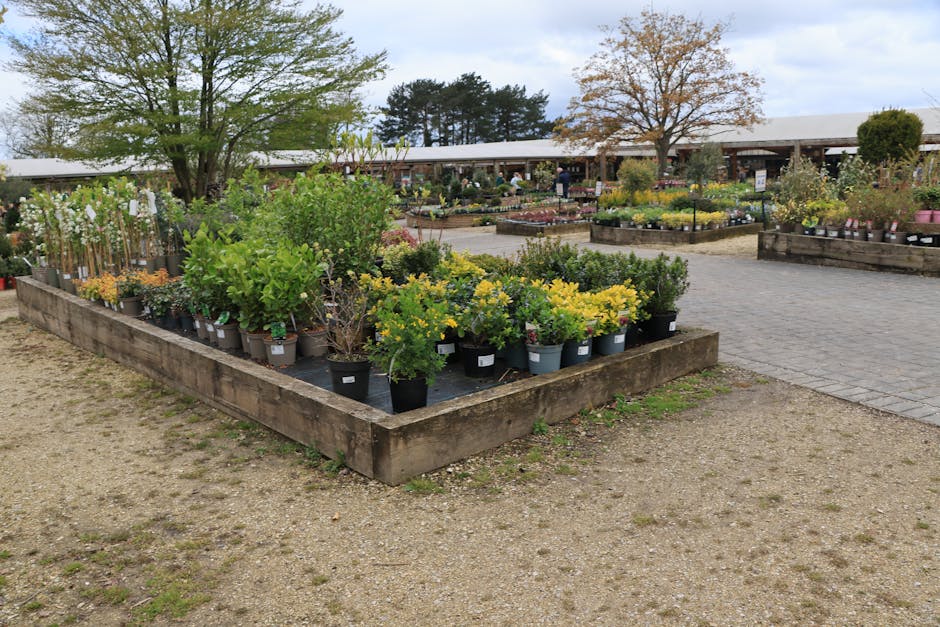
Commercial garden maintenance Selsdon for shops and pubs
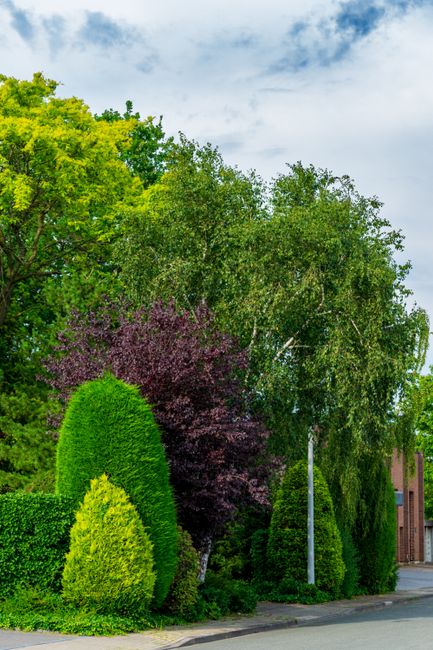
First impressions happen fast. A shopfront with clipped hedges, clear paths, and fresh-looking planting feels welcoming before anyone has even opened the door. A pub terrace that looks cared for feels more relaxed, more trustworthy, and frankly more tempting for a drink or a meal. That is why Commercial garden maintenance Selsdon for shops and pubs matters so much: it keeps outdoor spaces tidy, safe, and commercially useful, not just "nice to have".
In Selsdon, where weather shifts, footfall changes, and customer expectations are high, regular maintenance is less about vanity and more about presentation, safety, and consistency. In this guide, we will look at what commercial garden maintenance actually includes, how it works in practice, what business owners should watch for, and how to get better results without creating extra hassle for staff.
Key takeaway: a well-kept outdoor area can support your brand, reduce avoidable mess, and make your premises feel open for business every single day.
Why Commercial garden maintenance Selsdon for shops and pubs Matters
For shops and pubs, outdoor space works as part of the business. It is part brand, part safety feature, part customer experience. A couple of weeds in a back corner may not seem dramatic, but to a customer walking past in the rain, they can make a place look tired or neglected. Let's face it, people do judge the whole site from the front gate.
In a local setting like Selsdon, maintenance also helps your premises feel consistent through the seasons. Spring growth can get out of hand quickly. Summer brings dry patches, pollen, and fast-growing edges. Autumn leaves turn tidy paving into a slippery mess if no one is keeping on top of them. Winter? That can be a story of damaged planting, blocked drains, and dark, uninviting entrances.
Shops benefit because a clean frontage draws the eye and makes the business feel active. Pubs benefit because gardens, beer patios, and smoking areas are often tied directly to dwell time and customer comfort. A scruffy planter by the door may sound minor, but it quietly changes how people feel before they even order.
There is also a practical side. Overgrown shrubs can block signage. Poorly maintained lawns can become muddy and unsafe. Ivy, low branches, and broken paving can create problems for access, cleaning, and general presentation. The job is not just "keep it pretty". It is keep it usable.
If you want a wider view of how ongoing care fits into a bigger outdoor plan, the broader garden maintenance approach is a useful starting point. And for sites that need a more flexible mix of tasks across borders, lawns, planting beds, and hard surfaces, gardening services can be tailored around business hours and customer traffic.
How Commercial garden maintenance Selsdon for shops and pubs Works
Commercial maintenance is usually planned around the site itself rather than a fixed one-size-fits-all schedule. A compact shop frontage in Selsdon needs different care from a pub with a beer garden, side access, and a rear smoking area. The basic idea is simple: inspect, prioritise, maintain, and review.
In practice, the work tends to fall into a few repeatable categories:
- Visible presentation: mowing, trimming, edging, deadheading, and removing litter or leaf build-up.
- Surface care: clearing patios, paths, decking, and entrance areas so they stay safe and presentable.
- Plant health: watering where needed, checking shrubs, replacing tired planting, and dealing with weeds before they spread.
- Access and safety: keeping sightlines open, reducing trip hazards, and ensuring plant growth does not obstruct doors or signage.
- Seasonal adjustment: changing routines as the weather changes, because a July cutback is not the same as a January tidy-up.
For some premises, a monthly visit is enough. For others, especially busier pubs or shopfronts that sit on a high-visibility route, weekly or fortnightly visits make more sense. The right rhythm depends on plant growth, footfall, and how much the outside area contributes to the customer experience.
Where larger trees, awkward overgrowth, or boundary issues are involved, more specialised help may be needed. That is where tree surgery can become part of the maintenance plan, especially if branches shade signage, block light, or interfere with roofs and access routes. Similarly, if hedges are becoming a problem rather than a feature, hedge trimming in Selsdon is often the practical next step.
The best commercial maintenance plans are boring in the best possible way. They stop problems from becoming noticeable. No drama. No panicked tidy-up the day before a busy weekend. Just a place that quietly looks looked after.
Key Benefits and Practical Advantages
There are a lot of reasons businesses invest in commercial garden maintenance, but the strongest ones are usually the simplest.
1. Better first impressions
Customers decide quickly whether a place feels cared for. A well-kept entrance says the business pays attention to detail. That matters for boutiques, convenience stores, cafes, traditional pubs, and any premises that rely on walk-in trade.
2. Safer access for customers and staff
Regular trimming, clearing, and surface upkeep reduces clutter, damp debris, and overgrowth. That means fewer avoidable hazards near doors, paths, steps, and smoking areas. It also makes life easier for delivery drivers and staff carrying stock.
3. Less reactive maintenance
Businesses that leave outside work until it becomes urgent usually end up paying in stress, not just money. A routine approach spreads the workload and avoids those awkward, last-minute scrambles before a weekend service or a busy trading day.
4. Better use of outdoor space
A pub garden that is clean, tidy, and visually balanced feels like an asset. A shop with small planted areas can use them to soften the frontage and make the building feel more welcoming. Even a narrow strip of green can change the whole mood if it is maintained properly.
5. Stronger brand consistency
This one is easy to overlook. Your marketing may promise quality, but your frontage has to back it up. A messy hedge or weed-filled border can undermine a brand that otherwise feels premium, friendly, or traditional.
6. More efficient staff time
In-house staff rarely have the time, equipment, or seasonal knowledge to keep commercial outdoor spaces in top condition. Outsourcing the work can be far more efficient, and usually less distracting for the team.
| Benefit | Why it matters for shops | Why it matters for pubs |
|---|---|---|
| Visual appeal | Helps draw passers-by in | Makes outdoor seating feel more inviting |
| Safety | Reduces trip hazards at entrances | Helps manage busy customer flow outdoors |
| Consistency | Keeps the storefront looking open and active | Supports a welcoming atmosphere all week |
| Efficiency | Saves staff from ad hoc outdoor chores | Prevents last-minute tidy-ups before service |
Who This Is For and When It Makes Sense
Commercial garden maintenance is not only for large premises with lawns and flower beds. In fact, some of the best candidates are smaller sites where every square metre is visible to the public.
You are likely to benefit if you run:
- a shop with a frontage, planter boxes, or a small access strip
- a pub with a beer garden, patio, smoking area, or customer courtyard
- a cafe or deli with outdoor seating
- a convenience store with a neat but neglected edge that needs regular attention
- a business with shared access areas that need to stay clear and tidy
It also makes sense if your team has been doing "just enough" maintenance and the site is starting to look tired around the edges. You know the kind of thing: weeds in the paving joints, a hedge that has suddenly become a wall, and one or two planters that have gone from charming to forlorn. Happens all the time.
Some businesses need maintenance because of customer-facing pressure. Others need it because their outdoor areas are functionally important. For example, a pub with a smoking shelter or courtyard cannot afford to let surfaces become dirty and slippery. A shop with a narrow front garden may depend on tidy presentation to stand out in a row of similar buildings.
If your outdoor space is especially exposed, seasonal planning becomes even more important. Wind, shade, footfall, and rainfall all shape what will thrive. Some businesses use structural planting to create privacy or soften boundaries; in those cases, the ideas behind quick-growing hedges for privacy can be useful inspiration for screening and definition.
Step-by-Step Guidance
If you are thinking about setting up a routine maintenance plan, it helps to work through the process in a sensible order. No need to overcomplicate it.
- Walk the site properly. Start with a slow, honest inspection. Look at the front, sides, rear access, planted borders, hard surfaces, drainage points, and any customer areas.
- Separate cosmetic issues from safety issues. Some things mainly affect appearance. Others, like loose paving, blocked paths, low branches, or slick algae, need quicker action.
- Set a maintenance frequency. Busy sites may need weekly visits; calmer sites can often manage with fortnightly or monthly care. Growth rate matters more than a generic timetable.
- Agree the scope. Be clear about what is included: mowing, hedge cutting, weeding, leaf clearance, patio cleaning, pruning, and waste removal.
- Prioritise seasonal work. Spring usually means growth control. Summer is about keeping things sharp and hydrated. Autumn is leaf and debris season. Winter is about resilience and avoiding damage.
- Coordinate around trading hours. For pubs and shops, timing is crucial. Early mornings or quieter windows usually work best so customers are not disturbed.
- Review regularly. A good plan should evolve. If one area keeps getting messy faster than expected, adjust the frequency or the planting style.
That process sounds simple because, well, it is. The challenge is sticking to it. The trick is to treat maintenance like an operational routine, not an emergency response.
For businesses with lawns, a dedicated lawn mowing schedule can help keep the site neat without letting grass become an afterthought. And if the grass is a major feature rather than a small patch, a broader lawn care plan is often the smarter route.
Expert Tips for Better Results
There are a few practical habits that make commercial garden maintenance work better, especially for customer-facing businesses in Selsdon.
- Keep the first ten metres immaculate. That is the stretch most people notice first. Focus on entrances, sightlines, and front-of-house planting before anything else.
- Use planting that matches the site, not your wish list. A dry, shaded corner needs different choices from a sunny pub terrace. A plant that looks lovely in photos can be a nightmare in real life.
- Plan for leaf fall. It sounds obvious, but autumn leaf build-up is one of the fastest ways to make a commercial site look tired and slippery.
- Stop weeds before they seed. Once they spread through gravel, paving joints, or borders, the job gets harder and more expensive.
- Choose hardy edging. Clean edges around lawns, beds, and paving make a place look sharper with very little visual effort.
- Use containers where soil is poor. For awkward entrances or paved pub courtyards, pots and troughs can add colour without requiring a full planting redesign.
One small but valuable point: make sure your maintenance team understands what the business wants the site to feel like. A smart city-style frontage, a relaxed pub garden, and a family-friendly cafe terrace all need slightly different treatment. Same care level, different mood. That distinction matters more than many owners think.
If you need ideas for making compact spaces feel more structured, vertical garden ideas can be useful, especially where ground space is limited but visual impact still matters.
Common Mistakes to Avoid
Commercial outdoor areas often go wrong in predictable ways. The good news is that most of them are easy to avoid once you spot the pattern.
- Leaving maintenance until it is visibly bad. By the time customers are commenting on it, you are already behind.
- Assuming one visit solves everything. Outdoor spaces need rhythm, not a one-off rescue.
- Ignoring hard surfaces. A clean bed and a dirty patio still look untidy. Many businesses forget this part.
- Using planting that is too high-maintenance. Pretty but needy planting can become a drain on time and budget.
- Cutting hedges or shrubs too aggressively. Overcutting can leave gaps, stress the plant, and create a patchy look.
- Not planning around trade patterns. Carrying out noisy work during the lunch rush or a Saturday evening is asking for complaints.
There is also a less obvious mistake: trying to make the outside area look "finished" once and then forgetting it. Living landscapes do not stay finished. They move. They grow. They shed. They stain. That is just the deal.
For businesses with ivy, climbing plants, or boundary growth, ignoring creep can be costly. If it has already started to take hold, the advice in ivy removal guidance can be a helpful reminder that some problems are best tackled early.
Tools, Resources and Recommendations
The right tools matter, but for commercial sites the bigger issue is usually consistency and process. Still, a reliable setup makes a huge difference.
Useful equipment and practical resources often include:
- commercial-grade mowers for any meaningful lawn area
- hedge trimmers and secateurs for shaping and control
- leaf blowers or rakes for seasonal clearance
- hand tools for edging and weeding in tight areas
- pressure or surface-cleaning equipment for patios and paved areas
- mulch, compost, and soil improvers where beds need rebuilding
- simple inspection notes or a maintenance log, even a basic one
For businesses that want to keep green waste in better condition and reduce unnecessary disposal, the ideas in organic waste to fertile soil are a useful reminder that some cuttings and clearances can be repurposed responsibly where appropriate. It is a small thing, but it helps.
And if your outdoor area includes timber structures, seating zones, or customer decking, maintenance should not stop at the planting line. Decking services and patio cleaning can be important companions to the planting work, especially in hospitality settings where presentation and slip resistance both matter.
Some sites also need boundary or screening improvements. In those cases, fencing may be part of the maintenance conversation, not a separate one.
Law, Compliance, Standards, or Best Practice
For commercial premises, garden maintenance is not only about looks. It overlaps with duties around safety, access, and general site management. The exact responsibilities will vary by premises, tenancy, and local conditions, so it is wise to treat this area carefully rather than casually.
In plain English, good practice usually means:
- keeping access routes reasonably clear
- reducing obvious trip and slip hazards
- maintaining plant growth so it does not obstruct doors, windows, or signs
- using safe working methods around tools, ladders, and powered equipment
- handling waste and green waste responsibly
- making sure work does not create avoidable disruption for customers or staff
For pubs especially, outdoor areas can become busy and messy quickly. Wet leaves, algae, and debris are not just untidy; they can create avoidable risk. Shops have their own pressures too, especially where visitors, deliveries, or shared walkways are involved. This is where a clear maintenance plan helps, because it turns vague responsibility into routine action.
Where contractors are involved, business owners should also think about proof of insurance, communication, and the standards expected on site. A reputable provider should be able to explain how work is carried out safely and what is covered. If you want to understand the practical side of this before appointing anyone, the pages on insurance and safety, health and safety policy, and terms and conditions are worth a look. They help set expectations, which is never a bad thing.
There are also general trust indicators that matter in commercial work: clear payment processes, complaint handling, and a straightforward pricing structure. Those are not glamorous topics, but they matter a lot when you are letting someone work around your business.
Options, Methods, or Comparison Table
Not every business needs the same maintenance style. The right choice depends on budget, visibility, planting style, and how customer-facing the area is.
| Approach | Best for | Pros | Watch-outs |
|---|---|---|---|
| Ad hoc tidy-ups | Very small or low-visibility sites | Simple, low commitment | Problems build up quickly and presentation can drift |
| Monthly maintenance | Moderate sites with slow-growing planting | Predictable cost and regular care | May not be enough during peak growth periods |
| Fortnightly maintenance | Shopfronts, pub gardens, and busier premises | Keeps appearance steady and professional | Requires more planning and coordination |
| Seasonal project + routine upkeep | Sites needing redesign, planting changes, or recovery | Combines repair work with ongoing care | Needs a clear scope so the work does not drift |
For many Selsdon businesses, the most effective answer is a blend: a regular maintenance rhythm with occasional heavier work when the site needs it. That might include pruning, seasonal bed refreshes, or a one-off recovery visit after a neglected period. If a place has fallen behind, reviving a neglected garden can be a good way to think about the first clean-up stage before normal care resumes.
Case Study or Real-World Example
Picture a pub in Selsdon with a front seating area, a side access path, and a small rear courtyard. Nothing massive. But enough to matter.
Over time, the front border gets leggy, the side path gathers weeds in the paving joints, and the courtyard starts to feel a bit grim in bad weather. Staff still do their best, of course, but they are busy serving customers. Outdoor care gets pushed into the background until it becomes visible to everyone.
Once a proper maintenance routine starts, the difference is usually immediate. The entrances feel cleaner. The planting looks intentional again. The courtyard stops feeling like a leftover space and starts feeling like part of the venue. Customers notice, even if they do not say it directly. They just stay a bit longer, or choose the table outside instead of inside.
That is the quiet power of commercial garden maintenance. It is rarely dramatic. It is more like removing friction. A tidy boundary, a clear path, a trimmed hedge, a swept patio - all those little things add up.
A small shop can see the same effect. A neat frontage makes the store feel easier to approach. A cared-for planter says someone is paying attention. And in retail, that matters more than people sometimes admit.
Practical Checklist
Use this simple checklist if you are reviewing your outdoor maintenance needs.
- Is the frontage tidy from a customer's first glance?
- Are paths, steps, and entrances free from obvious hazards?
- Are hedges and shrubs cut back enough to keep sightlines open?
- Is the lawn, if you have one, still presentable between visits?
- Are weeds under control in beds, borders, and paving joints?
- Have leaves, litter, and debris been cleared recently?
- Do patio or deck areas need cleaning as well as planting care?
- Does the site need seasonal planting changes or recovery work?
- Is maintenance scheduled around trading times?
- Do you know who to contact when something urgent appears?
If you can answer "no" to several of those, the site probably needs a stronger routine. Nothing to panic about. Just a sign that the outside area needs the same attention your indoor space already gets.
Get a free quote today and see how much you can save.
Conclusion
Commercial garden maintenance in Selsdon is really about keeping business premises working at their best. For shops, that means a frontage that welcomes customers instead of quietly putting them off. For pubs, it means outdoor areas that feel safe, comfortable, and worth spending time in. For both, it means fewer last-minute problems and a stronger everyday impression.
The best maintenance plans are practical, steady, and specific to the site. They do not chase perfection. They simply keep things looking intentional, cared for, and ready for use. That is usually enough to make a real difference, and often more than enough.
And honestly, once a business finds a maintenance rhythm that works, the whole place tends to breathe easier. You notice it on a wet morning, on a busy Friday, on a quiet Tuesday too. The outdoors starts helping the business again, instead of distracting from it. That's the goal, really.
Frequently Asked Questions
What does commercial garden maintenance usually include for shops and pubs?
It typically includes mowing, hedge trimming, weeding, pruning, leaf clearance, patio or path tidying, planting care, and general presentation work. The exact mix depends on the site.
How often should a shop or pub book maintenance in Selsdon?
That depends on growth, footfall, and how visible the outdoor area is. Busy frontages and customer gardens often need fortnightly attention, while quieter sites may manage with monthly visits.
Is commercial maintenance different from domestic garden care?
Yes. Commercial work usually places more weight on presentation, safety, timing around business hours, and consistency. There is also usually more pressure to keep entrances and customer areas spotless.
Can maintenance be scheduled outside trading hours?
Yes, and that is often the best option. Early mornings, quieter weekdays, or other low-traffic windows can reduce disruption for staff and customers.
What outdoor areas matter most for a pub or shop?
The entrance, front planting, customer seating, paths, and any visible side access areas matter most. These are the spaces customers see first and remember longest.
Do I need regular lawn care if the lawn area is small?
If the lawn is visible, yes. Even a small patch can make a big difference to the overall impression, so occasional mowing and basic care are usually worthwhile.
What if my site has overgrown hedges or trees?
That usually means specialist intervention rather than routine tidying alone. Overgrowth can affect light, access, and appearance, so hedge and tree work may be needed alongside maintenance.
How do I know if my outdoor area is becoming a safety issue?
Look for slippery surfaces, blocked walkways, loose debris, low branches, poor visibility near entrances, and anything that could trip customers or staff. If in doubt, treat it as needing prompt attention.
Can commercial garden maintenance help improve customer experience?
Absolutely. A clean, attractive outdoor space makes a place feel more welcoming and professionally run. For pubs especially, it can also make customers more comfortable staying longer.
Should patio or decking areas be included in the plan?
Yes, if they are part of the customer experience. Planting alone will not solve a dirty or slippery surface, so cleaning and maintenance of patios or decking often need to be included.
What is the best first step if my premises look neglected?
Start with a full site review and agree the priorities: safety, tidiness, and the highest-visibility areas first. A one-off recovery visit followed by a regular plan is often the cleanest way back.
Where can I learn more about the provider before booking?
It helps to review service information, safety details, policies, and pricing structure before you commit. That gives you a clearer picture of how the work will be handled and what to expect.